English
Building confident readers, writers & communicators
English is at the heart of learning. At Wallington Primary School, we want every student to become a confident reader, writer, speaker and listener who can understand, enjoy and communicate ideas effectively.
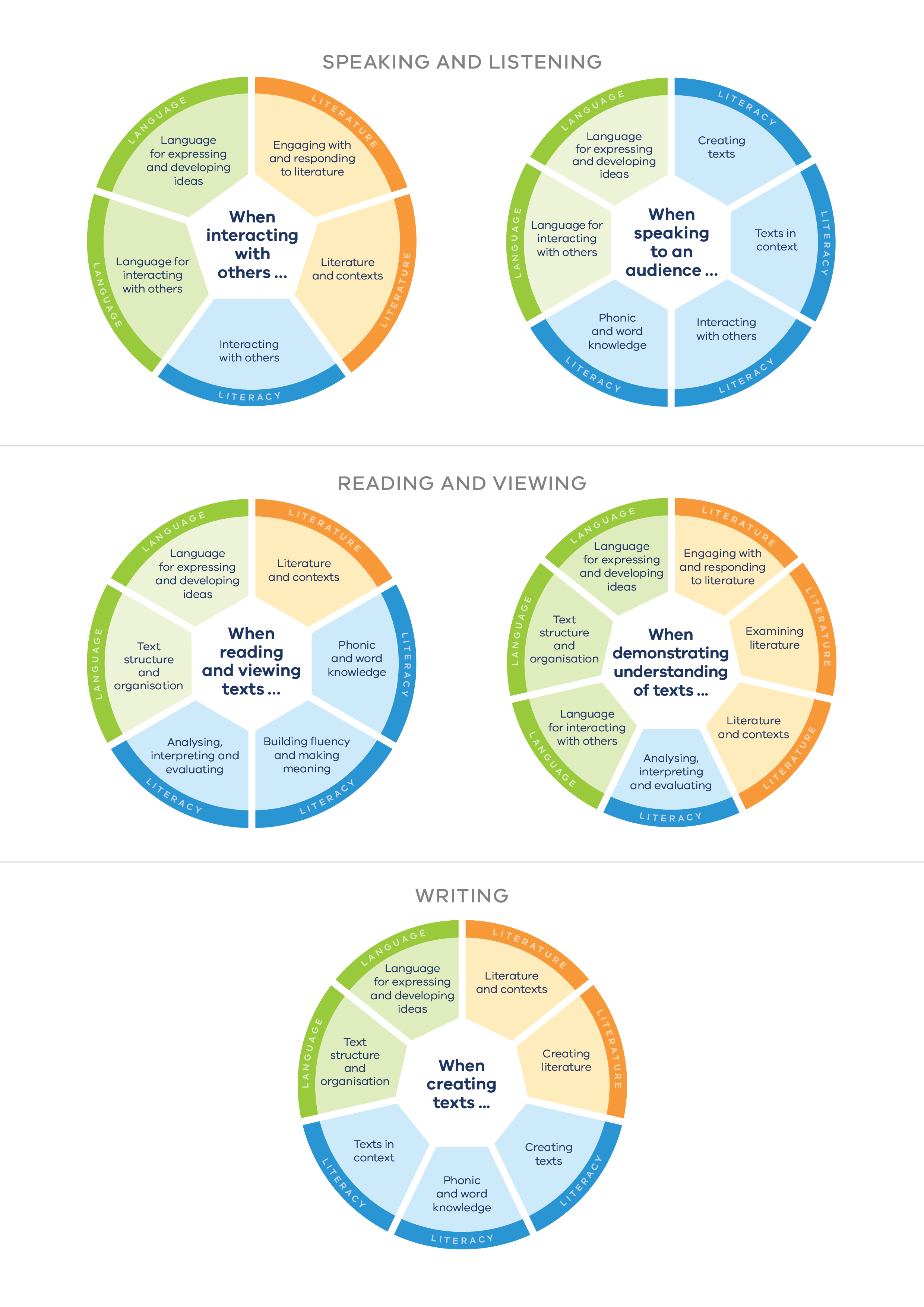
Our English program is built around the three interconnected areas of Language, Literature and Literacy. Students develop the knowledge and skills to communicate effectively, understand and respond to a wide range of texts, and use language to express ideas, connect with others and make sense of the world around them.

Reading
We place a strong emphasis on developing confident, capable readers. Our approach is explicit, systematic and informed by the best available evidence about how children learn to read.
In Prep to Year 2, students receive daily explicit teaching of phonics and phonemic awareness as part of a comprehensive reading program. Through our Phonics Plus program, students learn the relationships between sounds and letters and how to use this knowledge to read and spell words. They are explicitly taught to blend sounds to read words and segment words to support spelling, following a carefully sequenced progression of learning.
Students regularly practise their developing skills using decodable texts that align with the sounds and spelling patterns they have been taught. This allows students to apply their learning, build fluency and develop confidence as readers.
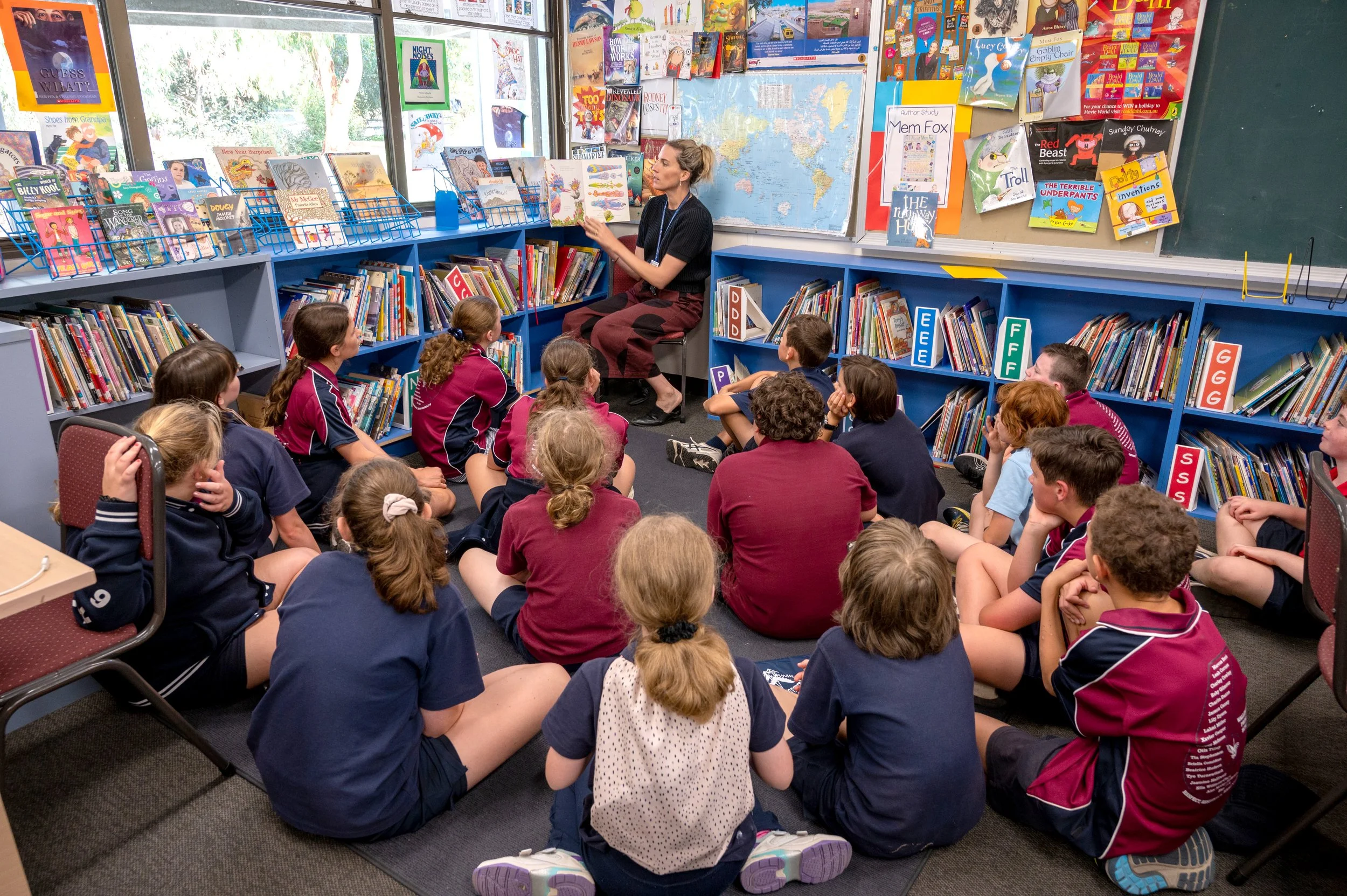
Phonics is an important part of learning to read, but it is not the whole story. Alongside phonics, we explicitly develop oral language, vocabulary, fluency and comprehension. Students also experience a rich range of quality literature, stories and information texts, building background knowledge, imagination and a genuine enjoyment of reading.
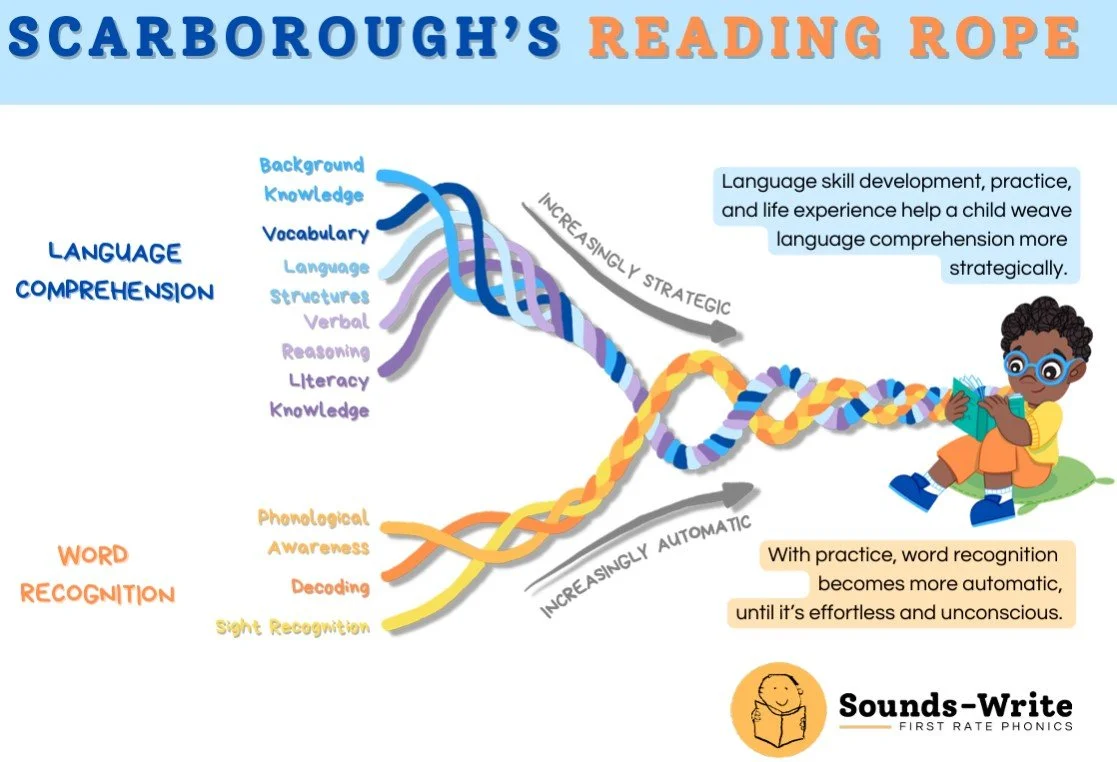
Adapted from Scarborough, H. S. (2001). Connecting early language and literacy to later reading (disabilities: Evidence, theory, and practice. In S. Neuman & D. Dickinson (Eds.), Handbook for research in early literacy (pp. 97-110). New York, NY: Guilford Press.
Writing and Communication
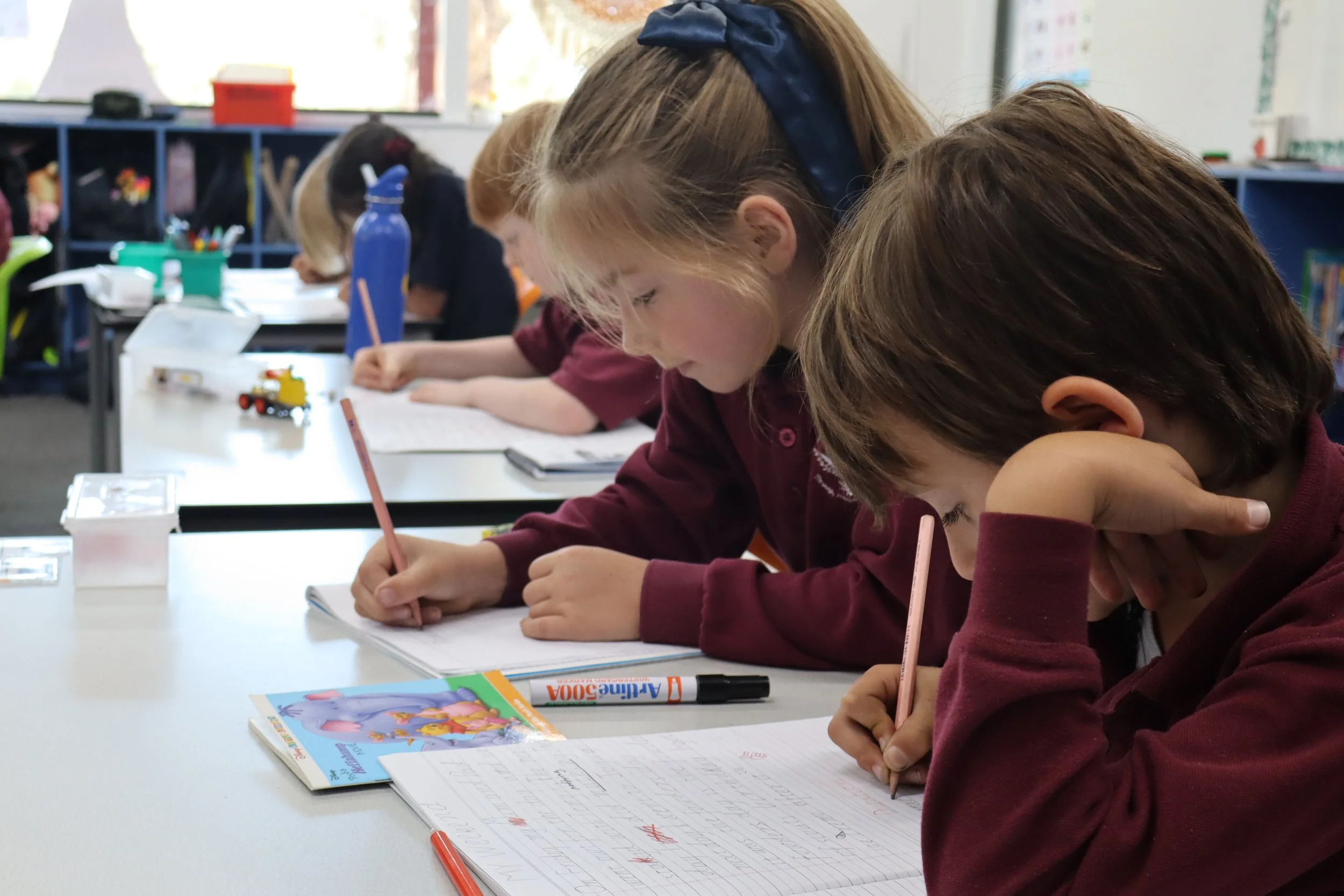
Reading and writing develop together. Students are explicitly taught spelling, handwriting, sentence construction, grammar and how to organise and communicate their ideas effectively. They have regular opportunities to write for different purposes and audiences, while developing their own voice and confidence as writers.
Across the English curriculum, students listen, speak, read, view and write in increasingly sophisticated ways. They explore literature from different perspectives and cultures, learn to think critically about texts and develop the language skills needed to participate confidently in their learning and wider community.
Our goal is for every student to become a capable, confident and engaged user of language — with the knowledge, skills and enthusiasm to read, write, communicate and learn successfully.